
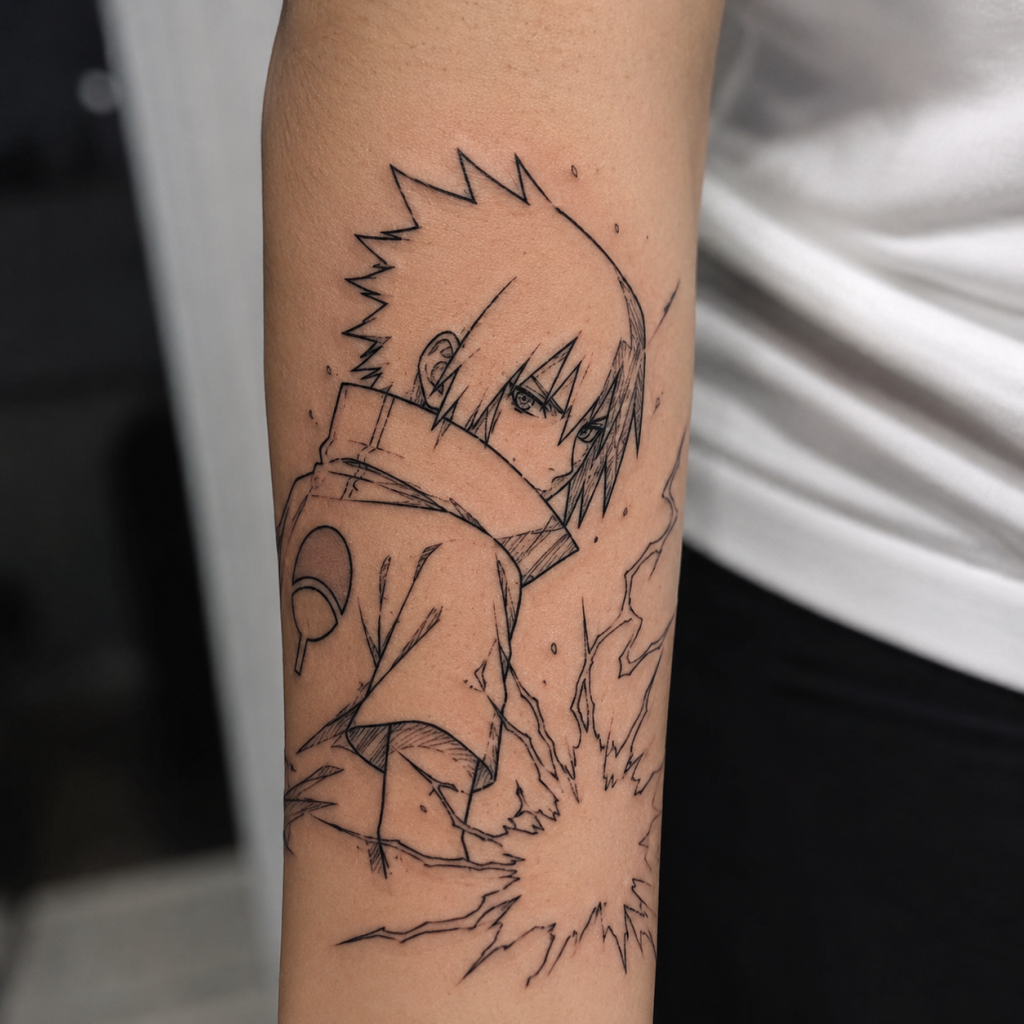
A tattoo that looked razor-sharp at 22 won’t look the same at 42, and that catches a lot of people off guard. This guide covers why tattoos fade and stretch as your skin ages, and what actually supports tattoo longevity over the decades you’ll spend wearing the piece. If you’re planning new ink or wondering what’s happening to an older one, here’s what’s really going on underneath the surface.
Why Every Tattoo Changes Over Time
Skin is living tissue, and it never stops renewing itself. Tattoo ink sits in the dermis, the layer just beneath the surface, and that layer shifts as you get older. The National Institute on Aging notes that skin naturally loses elastin and collagen with age, which changes its thickness and flexibility.
Anything embedded in that skin, including tattoo ink, moves along with it. A changing tattoo isn’t a sign that something went wrong. It’s simply what skin does.
Fading: What’s Happening to the Ink
Fading comes from two forces working together. UV exposure breaks down ink pigment over years, especially on tattoos that spend a lot of time in the sun. At the same time, ongoing skin cell turnover gradually disperses pigment particles, which softens the contrast between colors.
Some inks hold up better than others:
- Black and dark grey resist fading longest and keep their contrast
- Reds and blues fade at a moderate pace
- Yellows, whites, and pastels tend to soften first
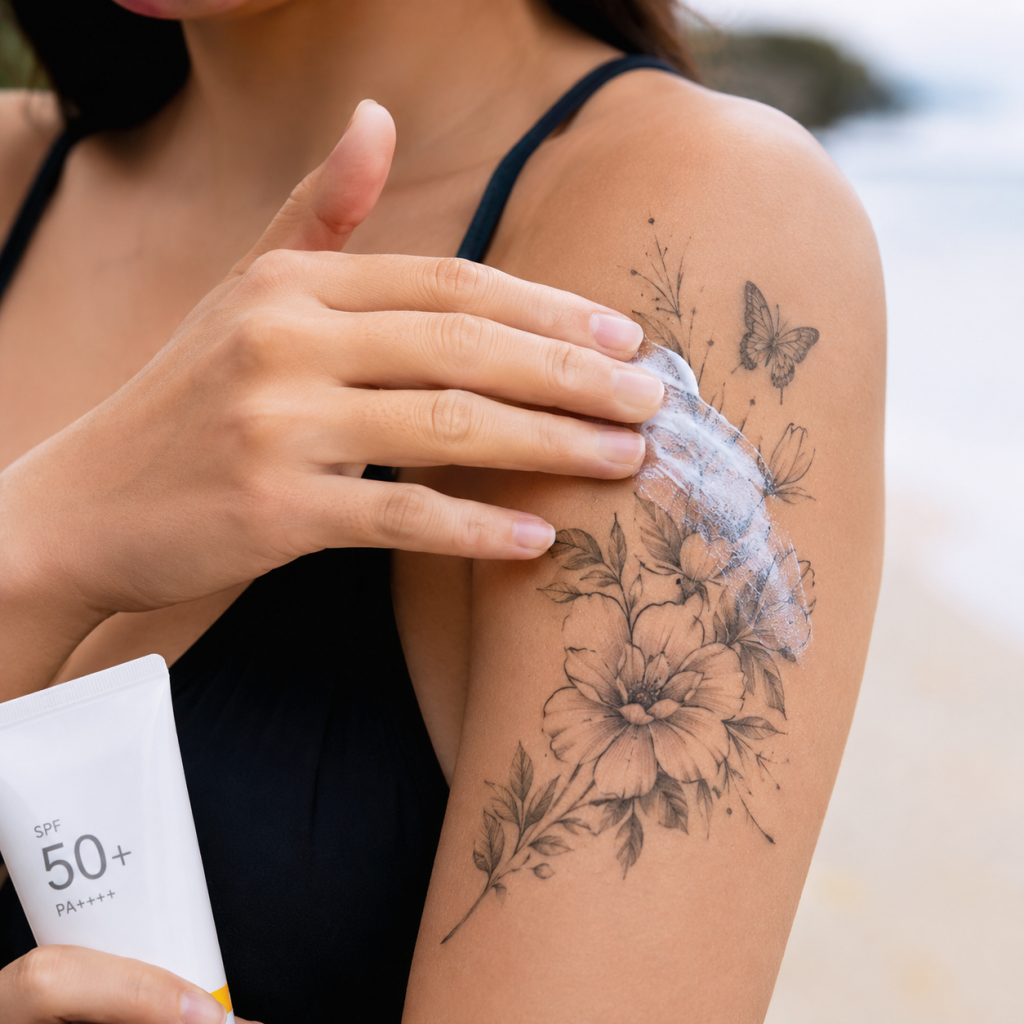
The American Academy of Dermatology recommends applying broad-spectrum sunscreen with an SPF of 30 or higher to tattooed skin, since UV light is one of the main causes of ink fading. That one habit does more to keep ink looking sharp for decades than almost anything else you can control after healing.
Stretching: How Skin Changes Reshape a Tattoo
Weight changes, pregnancy, and the natural loss of skin elasticity all reshape the canvas underneath a tattoo. As collagen breaks down, skin stretches more easily and springs back less than it used to, so once crisp lines can spread or blur slightly.
This shows up most on tattoos placed over areas prone to movement or growth, like the stomach, upper arms, or inner biceps. A tattoo on a more stable area, like the outer forearm or upper back, tends to hold its shape longer simply because the skin underneath moves less.
Placement and Tattoo Longevity: Which Spots Age Best
Placement is one of the few things you can actually plan around. Generally:
- Outer forearm and calf: minimal stretching, easy to protect from sun
- Upper back and shoulder: very stable, low friction
- Ribs, inner arm, and stomach: higher stretch risk from weight change or pregnancy
- Hands, feet, and fingers: fastest fading due to constant friction and washing
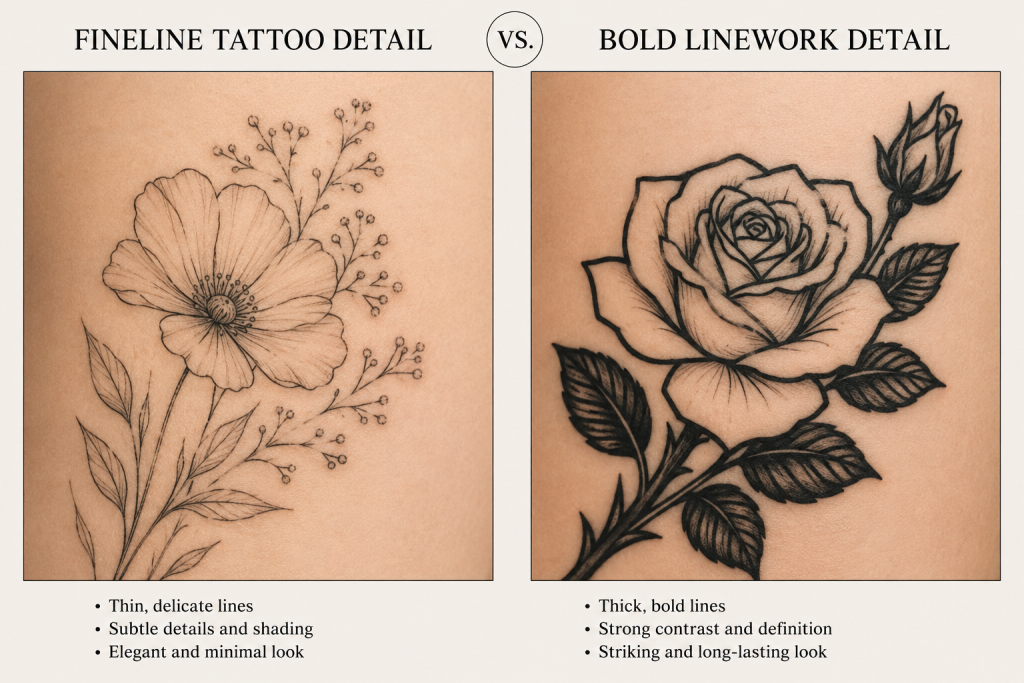
Style plays into this too. Delicate work like fineline tattoos has thinner lines, which means less room to blur before the design loses definition. Bold black linework, on the other hand, tends to read clearly even as skin stretches, since the thicker lines have more visual weight to spare. Anyone choosing a style with long-term wear in mind should ask their artist how that particular linework tends to age.
How to Support Tattoo Longevity Starting Today
None of this is out of your hands. A few habits make a real difference over the years:
- Moisturize consistently, years after healing, not just during the first few weeks
- Apply sunscreen to tattooed skin daily, not only at the beach
- Keep your weight relatively stable where possible, since large fluctuations stretch skin unevenly
- Follow a proper aftercare routine from day one, since early healing quality affects how ink settles long-term
Hydrated, well-protected skin simply holds ink better than dry, sun-damaged skin. That’s not a marketing claim; it’s how skin biology works.
When It’s Time for a Touch-Up or Refresh
Even a well-placed, well-cared-for tattoo will eventually ask for some attention. A touch-up isn’t a sign that something went wrong with the original work. It’s a normal part of owning a piece for ten, twenty, or thirty years.
Research on tattoo aftercare and sun protection published through the National Institutes of Health points out that consistent sun protection habits, started early, reduce the long-term fading that eventually leads people to seek touch-ups. If lines have softened or color has flattened, an experienced tattoo artist can usually restore contrast without starting the piece over from scratch.
Your Ink, Decades From Now
Tattoos are living art, and they age alongside you rather than staying frozen in place. That’s not really a downside. It’s part of what makes a tattoo feel personal over time. The lines might soften, and the colors might mellow, but a well-placed, well-cared-for piece still carries its meaning just as clearly at 60 as it did the day you got it.
Tattoo longevity isn’t about freezing a design forever. It’s about giving it the best possible decades ahead.
Ready to Plan Ink That Ages Well?
If an older piece is ready for a refresh, or you’re planning something new with the long game in mind, book a consultation with the artists at The Hyve and talk through placement, style, and aftercare before the first line goes in.
Frequently Asked Questions About Tattoo Aging
1. Do all tattoos eventually fade?
Yes, to some degree. UV exposure and natural skin cell turnover affect every tattoo over time, though the rate varies a lot by ink color, placement, and sun exposure.
2. Does getting older ruin a tattoo?
No. Aging changes a tattoo’s appearance, softening lines and mellowing color, but it doesn’t erase the piece or its meaning. Most people find their older tattoos still read clearly with basic care.
3. Can I stop a tattoo from stretching?
Not entirely, but you can reduce it. Keeping your weight relatively stable and choosing a stable placement both help limit how much a tattoo shifts over the years.
4. How often should I get a touch-up?
It depends on placement, sun exposure, and ink color. Some tattoos go twenty or thirty years without needing one, while others in high-friction or sun-exposed spots may need attention sooner.
5. Does tattoo style affect how well it ages?
Yes. Bold linework and solid black tend to hold their shape and contrast longer than fine detail or pastel colors, which are more prone to blurring and fading.
Key Takeaways
- Apply sunscreen to tattooed skin year-round, since UV exposure is the single biggest driver of fading
- Moisturize consistently for the life of the tattoo, not just during initial healing
- Choose placement on stable areas like the outer forearm or upper back if long-term sharpness is a priority
- Keep your weight relatively steady where possible to reduce stretching around the design
- Plan for an eventual touch-up as a normal part of tattoo ownership, not a sign anything went wrong